One of the newest types of art in the West, screen printing (screenprinting, silkscreen, or serigraphy — from *sericum*, Latin for silk) is a twentieth century printmaking technique derived from traditional stenciling, itself one of the earliest forms of graphic art duplication.
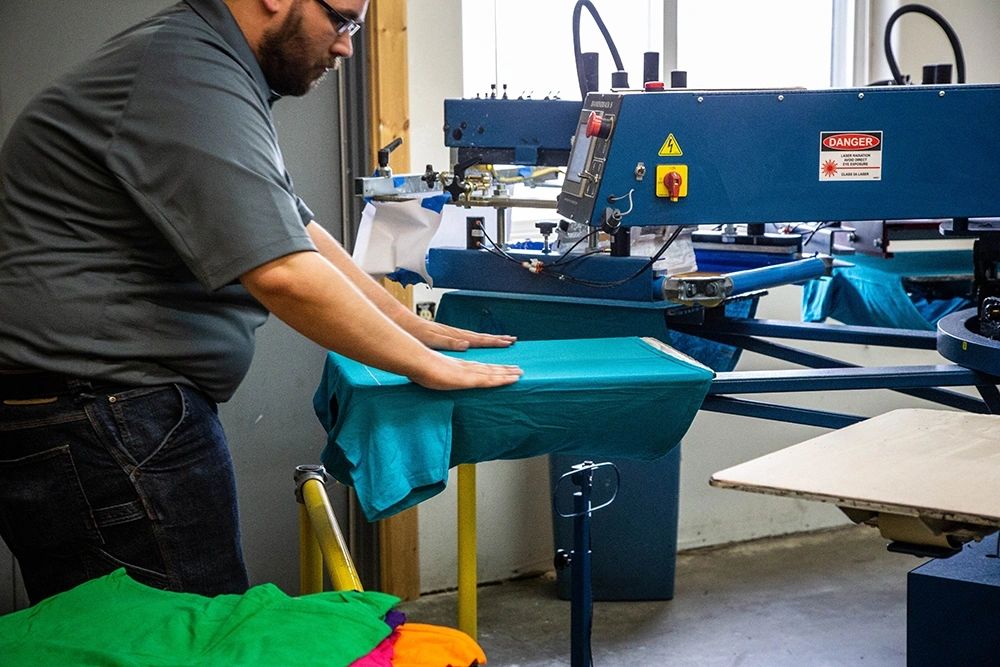
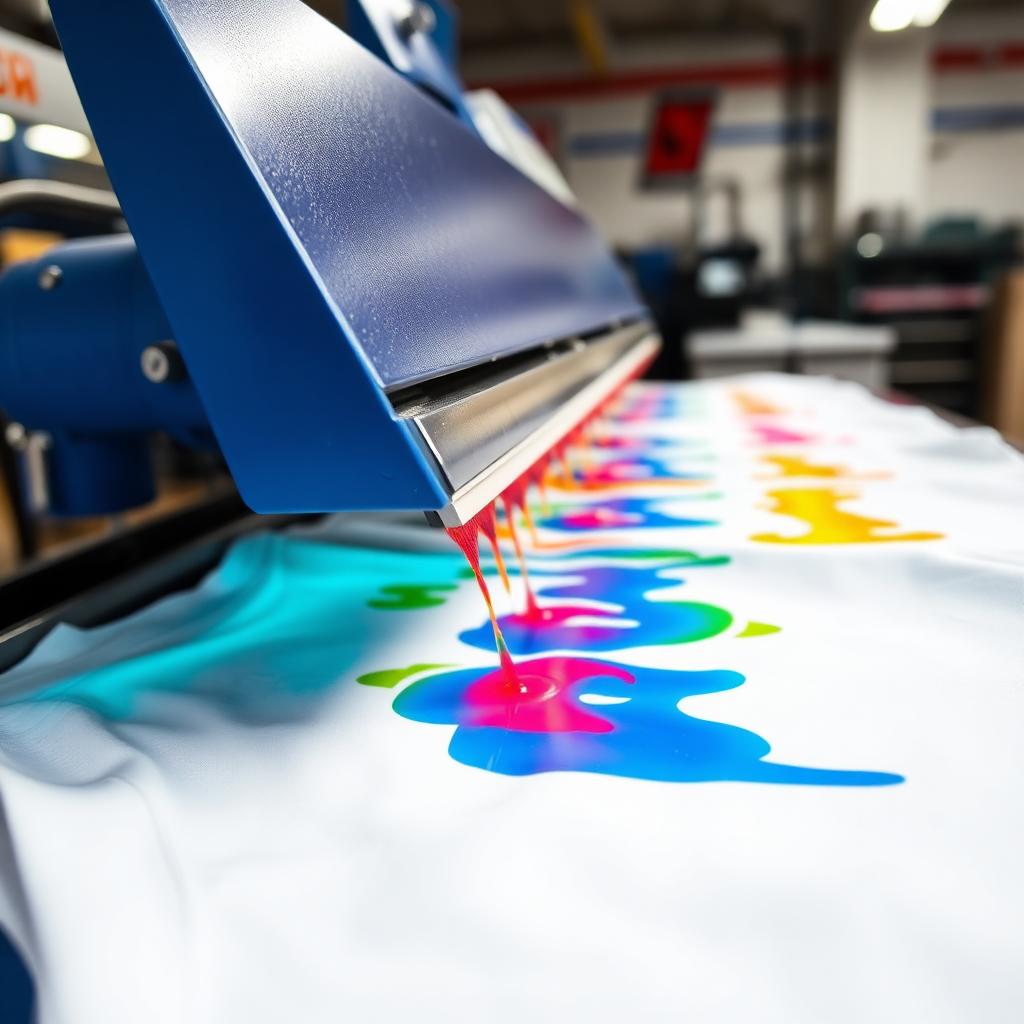
Usually, screen printing involves placing a fine mesh screen, which is stretched tightly over a wooden frame, above a piece of paper or a garment. Then color is forced through the screen with a rubber blade called a squeegee. Traditionally the screen was made of silk, hence the name silk screen printing. However, because cotton, nylon, or metal mesh can also be used, the more inclusive term is screen printing. Some professional artists prefer the term serigraphy to differentiate artistic screen printing from commercial printing.
Screen printing was first developed about 1900 and used in advertising. Eventually it was popularized by American Pop artists like Roy Lichtenstein, Robert Rauschenberg, and Andy Warhol, as well as other contemporary art movements. These artists chose the medium because it allowed them to maintain bold, bright colors when reproducing their works. Boldly colorful and novel, screen printing has become one of the basic techniques of postmodernist art.
Where screen printing came from
A style of screen printing first appeared in China during the era of Song Dynasty art (960–1279), and made its way to Europe in the 18th century. However, it was not until silk mesh became more available for trade in the 19th century that screen printing began to pick up popularity. In 1907, Samuel Simon patented screen printing in England. At first, the process was used to print colors and patterns on wallpaper and fabrics, and then by advertisers. Eventually, it was adopted by artists as a convenient and reliable way of reproducing their works.
In the 1930s, a group of artists who wanted to differentiate what they did from the commercial world formed the National Serigraphic Society. In doing so, they linked the word serigraphy with fine art screen printing. 'Seri' comes from the Latin for silk and 'graphein' is Greek for to write or draw.
In recent history, the Pop artists are generally seen to have popularized the form of screen printing known as serigraphy. Pop artists took their images from the world of mass culture, so it was appropriate that they used a technique known for its mass production ability. Op artists also valued the medium, finding it suited their aesthetics.
Screen printing today
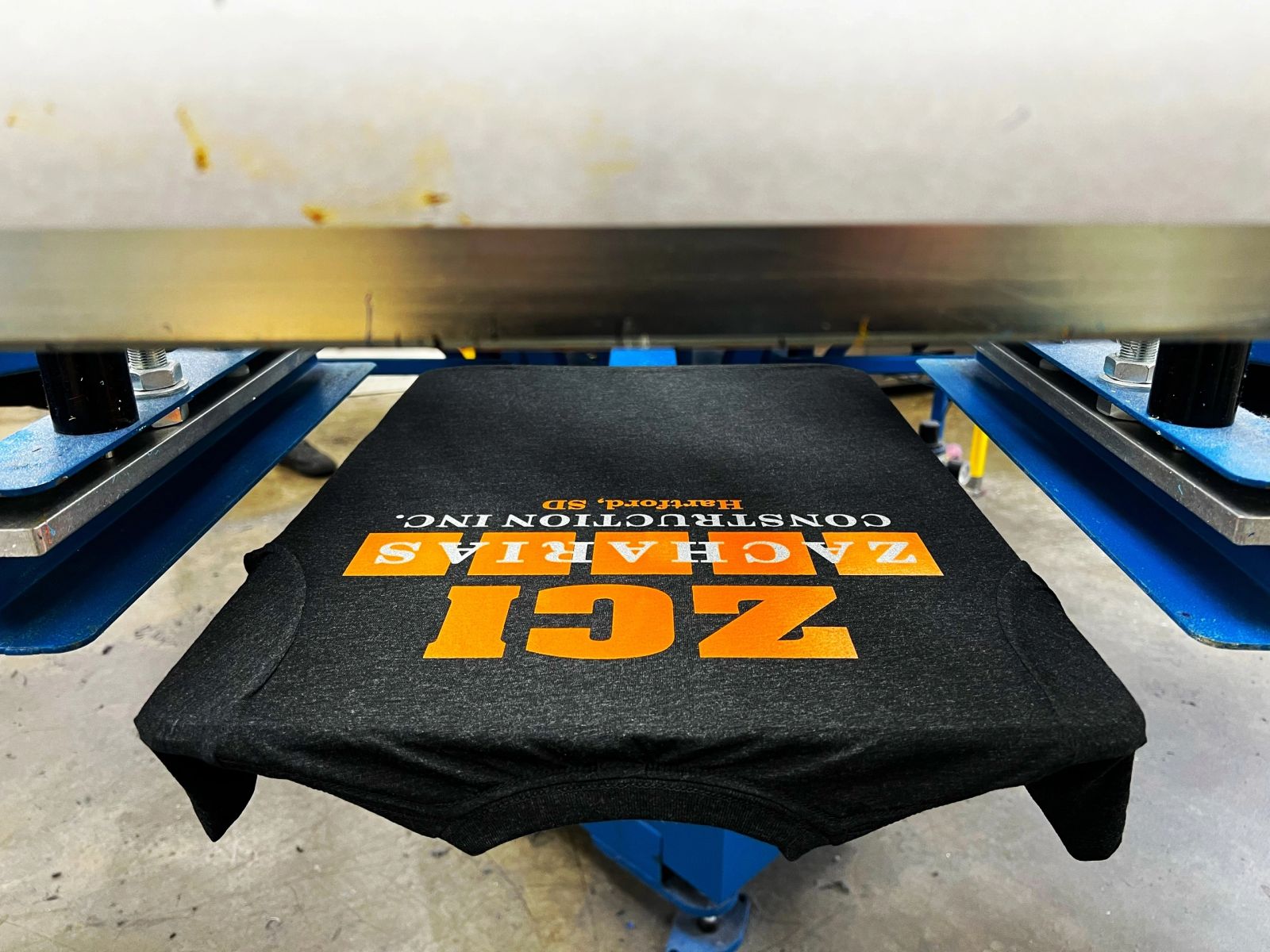
In today's world, screen printing is used by fine artists alongside commercial printers who use graphic screen printing to place images on t-shirts, glass, paper, metal, and wood. The mechanics are largely unchanged: a stencil, a mesh screen, ink, and a squeegee. What has changed is the precision — modern automatic presses, computer-generated film positives, and plastisol and water-based ink systems let a shop hold tight registration across hundreds of garments in a run.
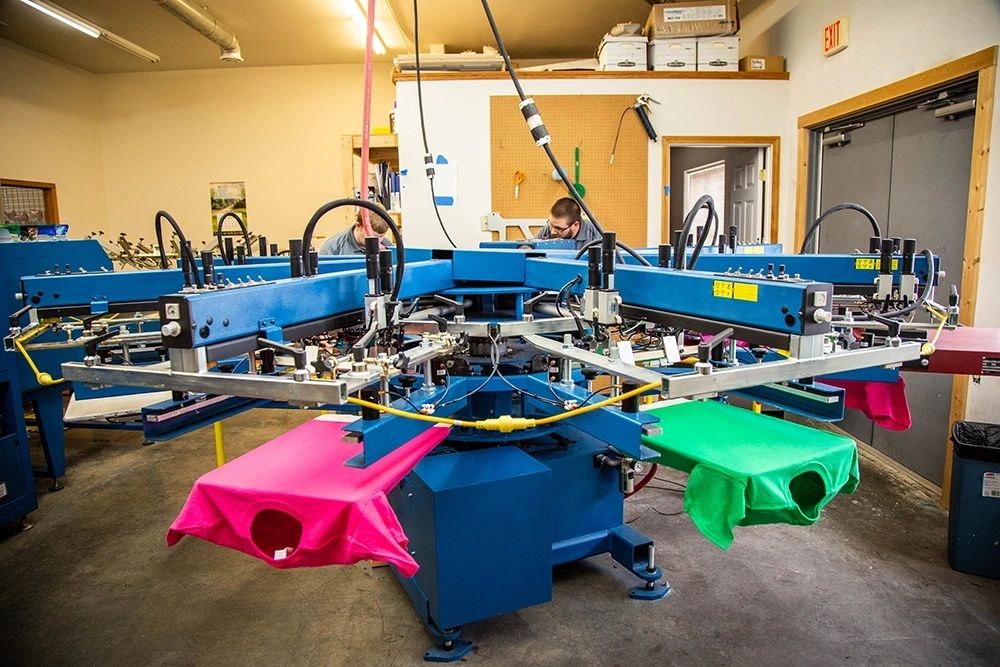
That's the process running in our shop every day. Whether it's a dozen family reunion tees or five hundred shirts for a school fundraiser, the same century-old idea — push ink through a stencil — is what puts your design on a garment.
Print with a shop that knows the craft
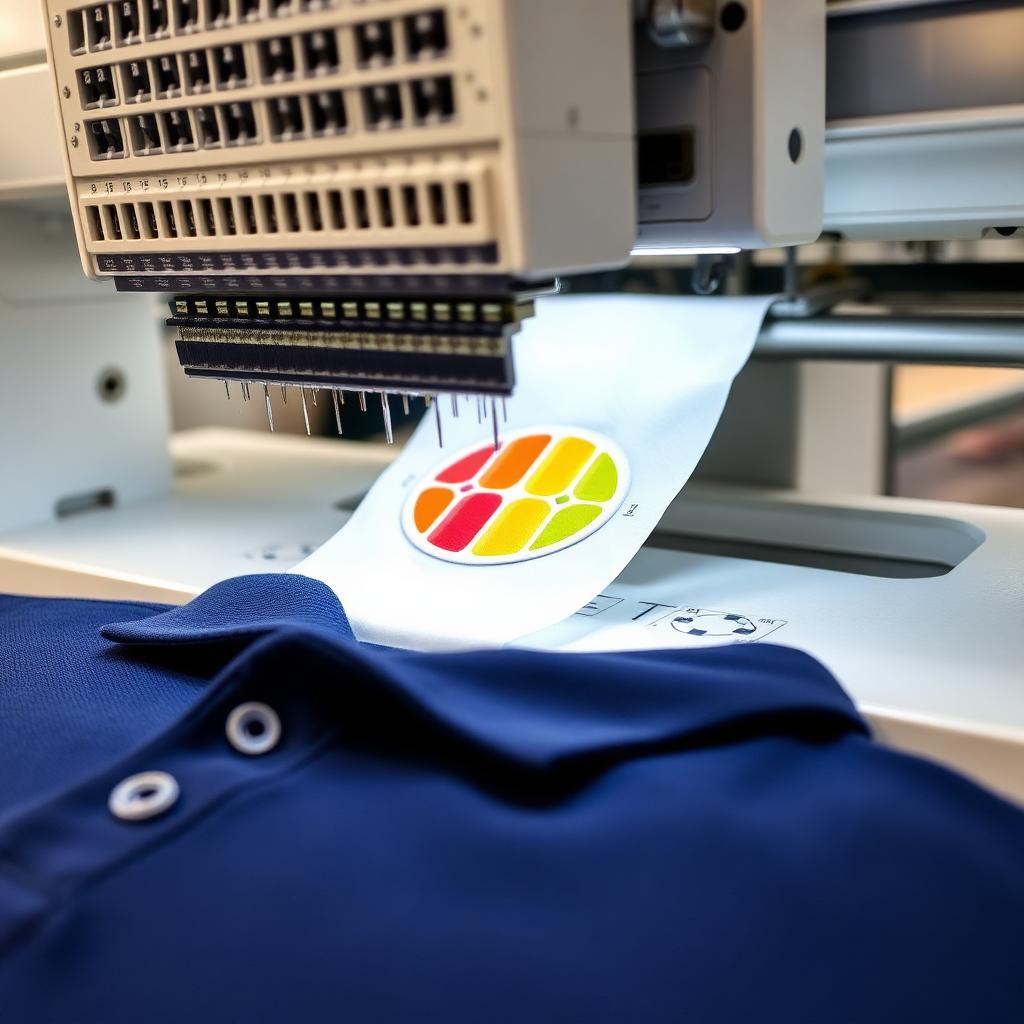
Grocott Ink & Thread is a full-service screen print and embroidering shop providing custom shirt and screen printing, and embroidery of apparel for the Hartford and Sioux Falls areas since 1996. Call us at 605.528.7364 or email info@grocottinkandthread.com for more information.
*Source: "Screen Printing: Type of Printmaking," www.visual-arts-cork.com*
Written by
Sara Vandenberg · Spirit Wear & Storefronts
Builds dedicated online stores for schools, teams, and clubs so parents can order directly and gear ships without the hassle.