If you've ever ordered custom t-shirts for a business, a team, a fundraiser, or a family reunion, you've probably wondered what actually happens between the moment you submit your artwork and the moment a box of finished shirts shows up. Screen printing has been around for decades, but the process is still a bit of a mystery to most people who order it. We've been screen printing shirts, hoodies, and just about everything else out of our shop in Hartford, South Dakota, just outside Sioux Falls, for more than 30 years, and we want to pull back the curtain on how it actually works.
This isn't a sales pitch. It's a real, practical explanation of screen printing from start to finish, written by the people running the presses, so that when you place your next order you know exactly what you're paying for and why certain choices matter.
What screen printing actually is
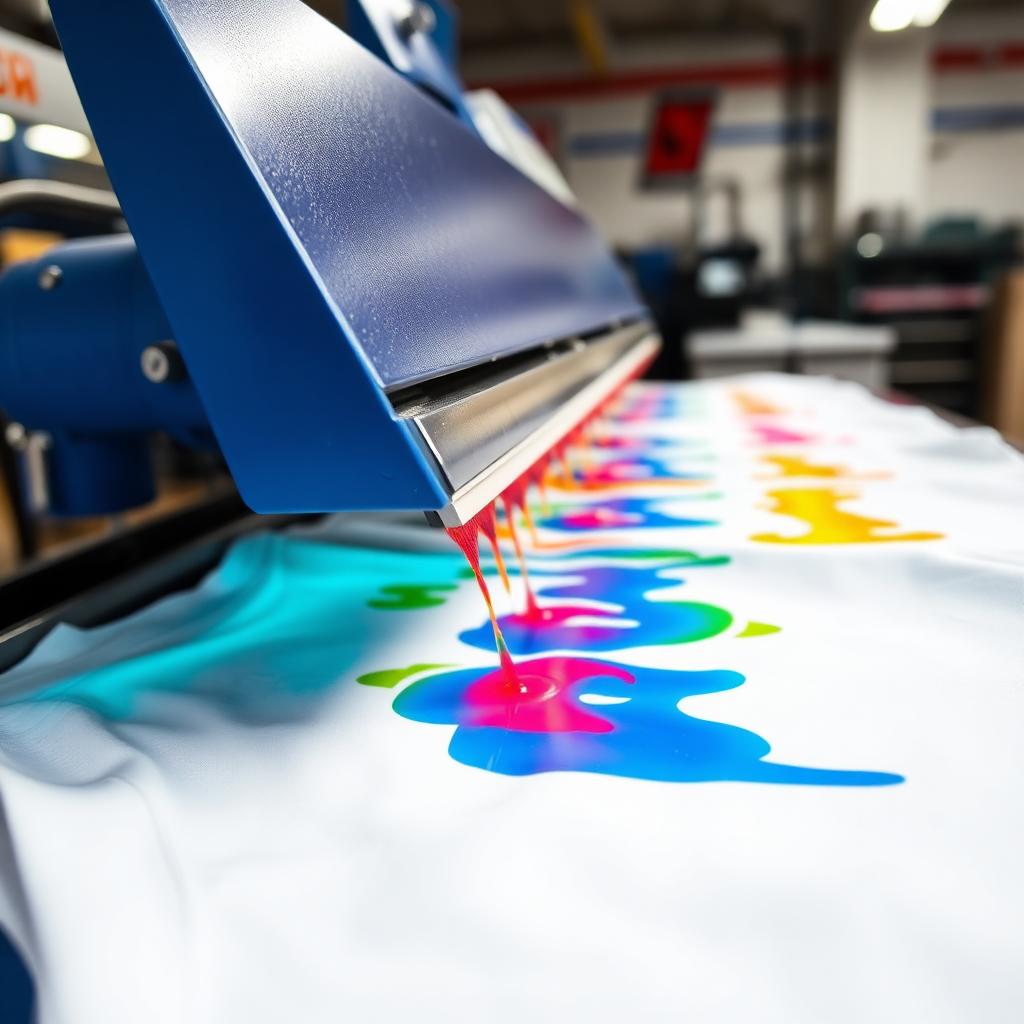
Screen printing is a stencil-based printing method. For each color in your design, we create a separate stencil (called a screen) made of a fine mesh fabric stretched tight across a frame, coated with a light-sensitive emulsion. Ink is pushed through the open areas of that mesh with a squeegee, directly onto the garment, one color at a time. If your logo has three colors, we're printing it in three separate passes, each with its own screen, lined up perfectly on top of each other.
That's the key difference between screen printing and digital printing methods like direct-to-garment (DTG) or direct-to-film (DTF). Instead of spraying ink through inkjet nozzles, we're depositing thick, opaque ink through a mesh screen. The result is color that sits on top of the fabric with real vibrancy and, when done correctly, holds up to years of washing.
Step 1: Artwork preparation
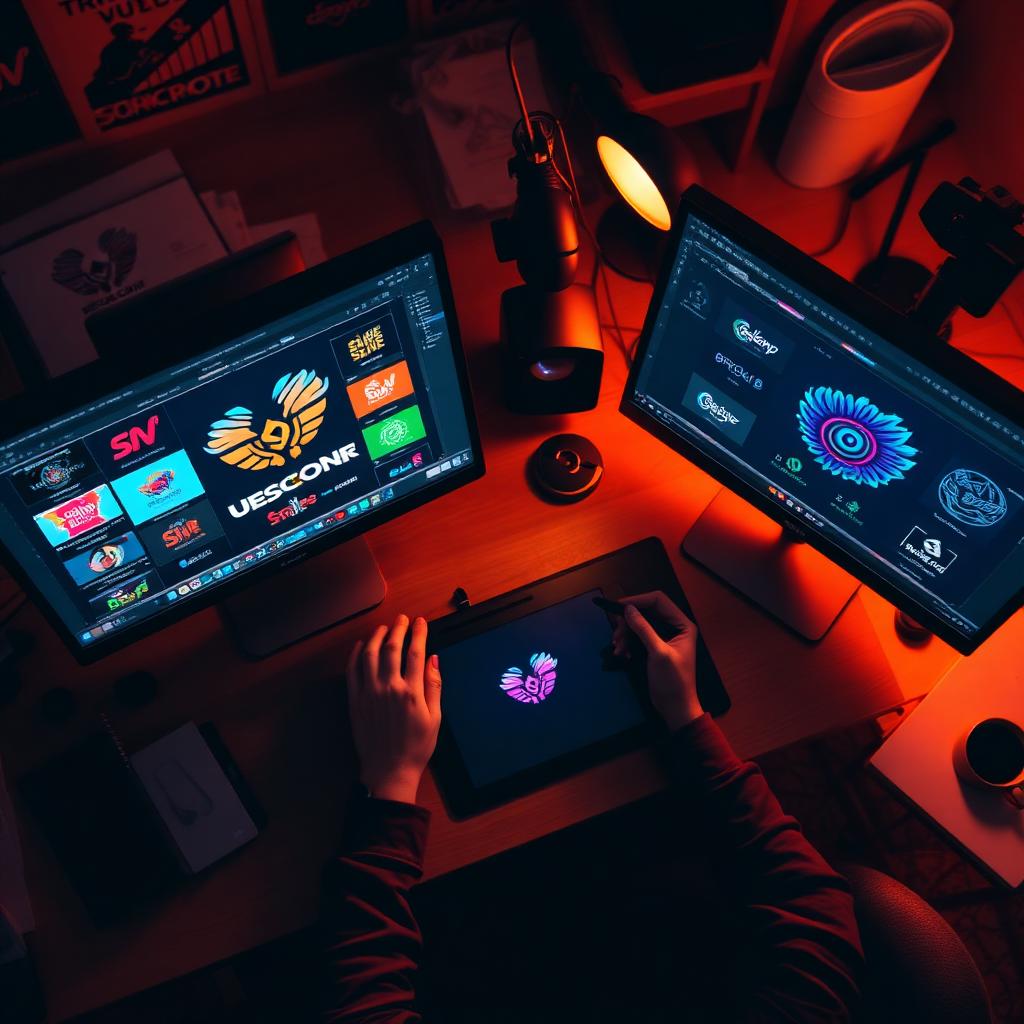
Everything starts with the art file. This is where a lot of orders go sideways if it isn't handled by people who know printing, not just graphic design. We need vector artwork (or at minimum a high-resolution raster file) so that edges print crisp instead of jagged, and so text stays legible at small sizes. If a customer sends us a blurry logo pulled off a website, our art team rebuilds it before it ever gets near a screen.
During this stage we also do color separation. Every color in your design has to be assigned to a specific ink and a specific screen. A simple two-color logo is quick to separate. A detailed design with gradients, shadows, or a sunset blend takes real skill to break into the layers screen printing requires, since screen printing doesn't blend colors the way a digital printer can. This is also where we catch things like text that's too fine to hold detail, or colors that will look muddy printed on a dark shirt versus a white one.
Step 2: Burning the screens
Once the art is separated and sized correctly for the garment and print location, we coat a mesh screen with light-sensitive emulsion for each color, then expose it under bright light with the film positive of that color layer on top. Everywhere the light hits, the emulsion hardens. Everywhere it's blocked, the emulsion stays soft and washes out with water, leaving an open stencil in the exact shape of that layer of the design. That washed-out area is where ink will pass through onto the shirt.
Mesh count matters here. A lower mesh count screen (coarser weave) lays down more ink and is used for bold, solid designs, especially white ink on dark shirts. A higher mesh count (finer weave) is used for detailed line work and halftones, since it lets less ink through and holds finer detail. Picking the right mesh count for each color in your design is part of what separates a print that looks sharp from one that looks blobby or washed out.
Step 3: Setting up the press and registration
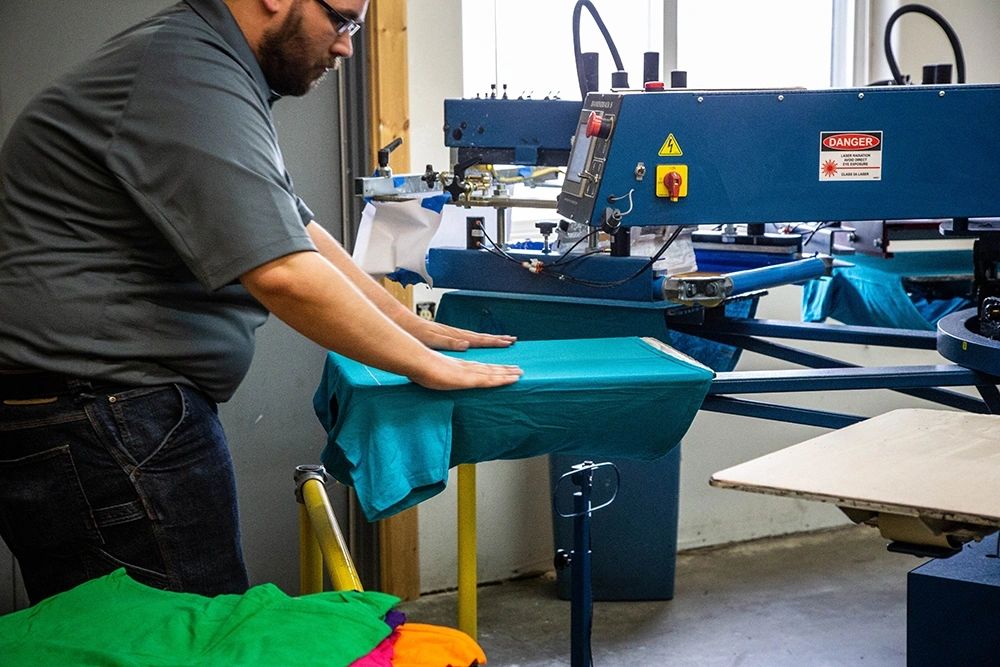
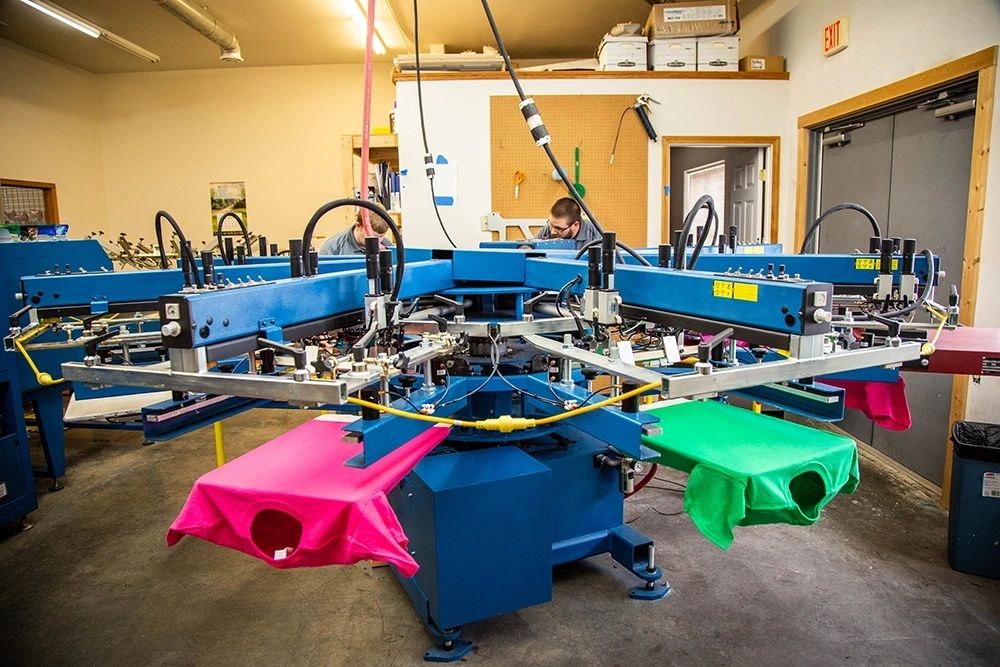
Screens get loaded onto a screen printing press, which can be a manual press for smaller runs or an automatic press for higher volume production. Each screen is aligned, or registered, so that every color lands exactly where it should relative to the others. This is one of the more time-consuming parts of the setup process and it's the reason screen printing has setup costs that are usually spread across a minimum order quantity. Once registration is dialed in, though, we can run hundreds of identical shirts efficiently.
For multi-color designs, the press rotates the garment (or the screens, on a rotary press) through each color station in sequence, printing one color, then the next, then the next, until all the layers are stacked. Get the registration even slightly off and you'll see it immediately as blurry edges or colors that don't quite line up.
Step 4: Curing the ink
This is the step people skip when they think about screen printing, and it's arguably the most important one. Plastisol ink, the most common ink used in screen printing, doesn't dry the way paint dries. It has to be cured, meaning heated to a specific temperature (typically around 320 degrees Fahrenheit) for long enough that the ink fully fuses into the fabric fibers. Under-cured ink will crack, peel, or wash out after a handful of washes, even if it looked perfect coming off the press.
We run every printed garment through a conveyor dryer that's calibrated to hit the right temperature for the right dwell time based on ink type and fabric. This is also one of the biggest differences between a shop that treats screen printing as a craft and one that's just trying to move volume. Skimping on cure time might save a few seconds per shirt, but it's the number one reason cheap custom shirts fall apart in the wash.
Types of ink and when each one makes sense
- Plastisol ink is the workhorse of the industry. It's opaque, durable, and prints well on almost any fabric color. It sits on top of the fabric rather than soaking in, giving prints a slightly raised, textured feel.
- Water-based ink soaks into the fabric fibers instead of sitting on top, giving a softer hand feel. It works best on lighter garments and is a common choice for fashion-forward brands that want the print to feel like part of the shirt rather than a layer on it.
- Discharge ink removes the dye from a dark shirt and replaces it with color, resulting in an extremely soft, almost vintage-looking print. It only works on certain fabric types and dye lots, so it's not an option for every job.
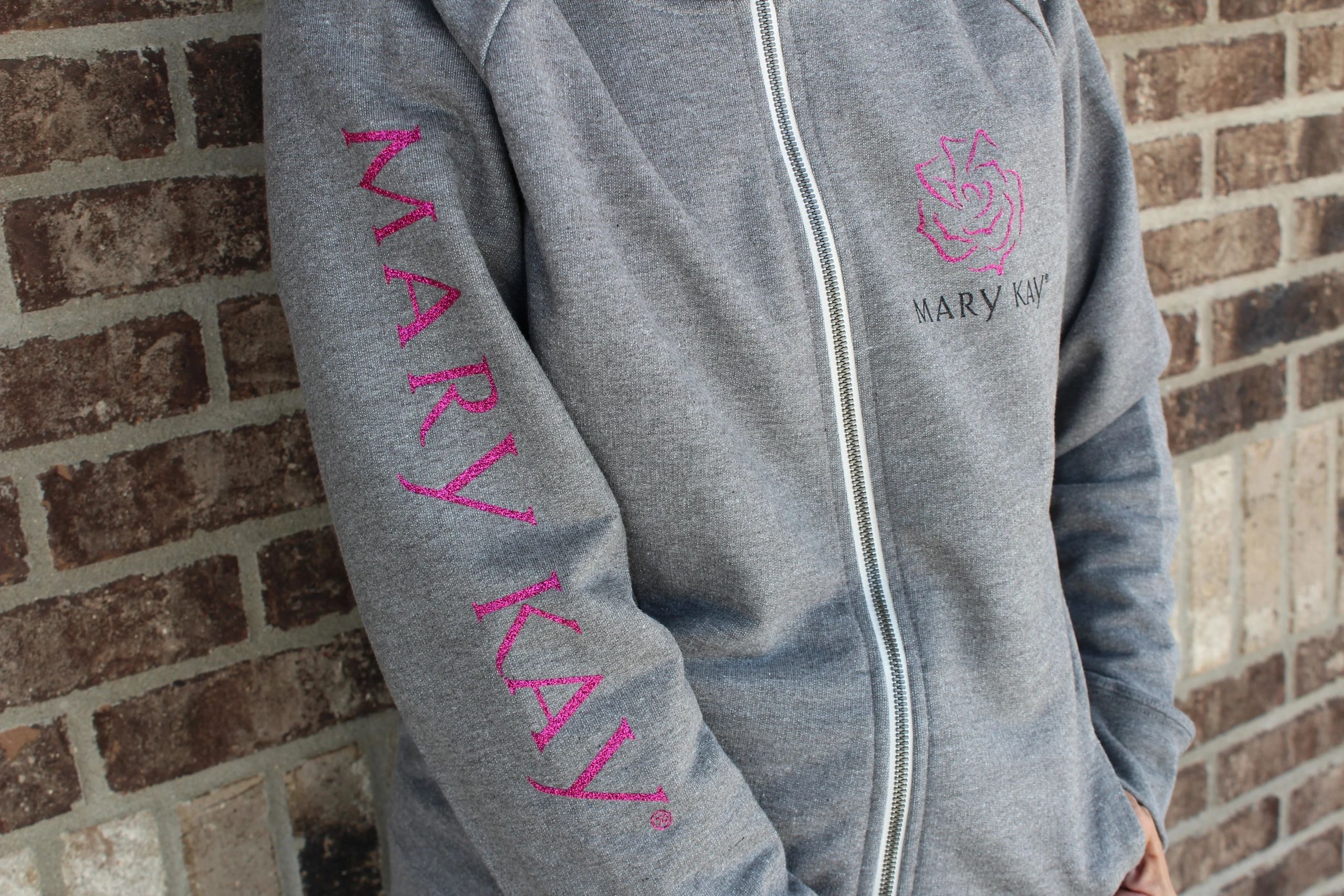
- Specialty inks like metallics, glitter, puff (which raises up when cured), and glow-in-the-dark can add a lot of visual punch for spirit wear, event shirts, or promotional pieces, though they typically add cost per color.
For most business logos, team spirit wear, and event shirts we run through our shop, standard plastisol gets the job done reliably and holds up over years of wear and washing, which is why it remains the default for the majority of the custom t-shirts and hoodies we print for customers around Sioux Falls and the surrounding area.
Why screen printing makes sense for bulk orders
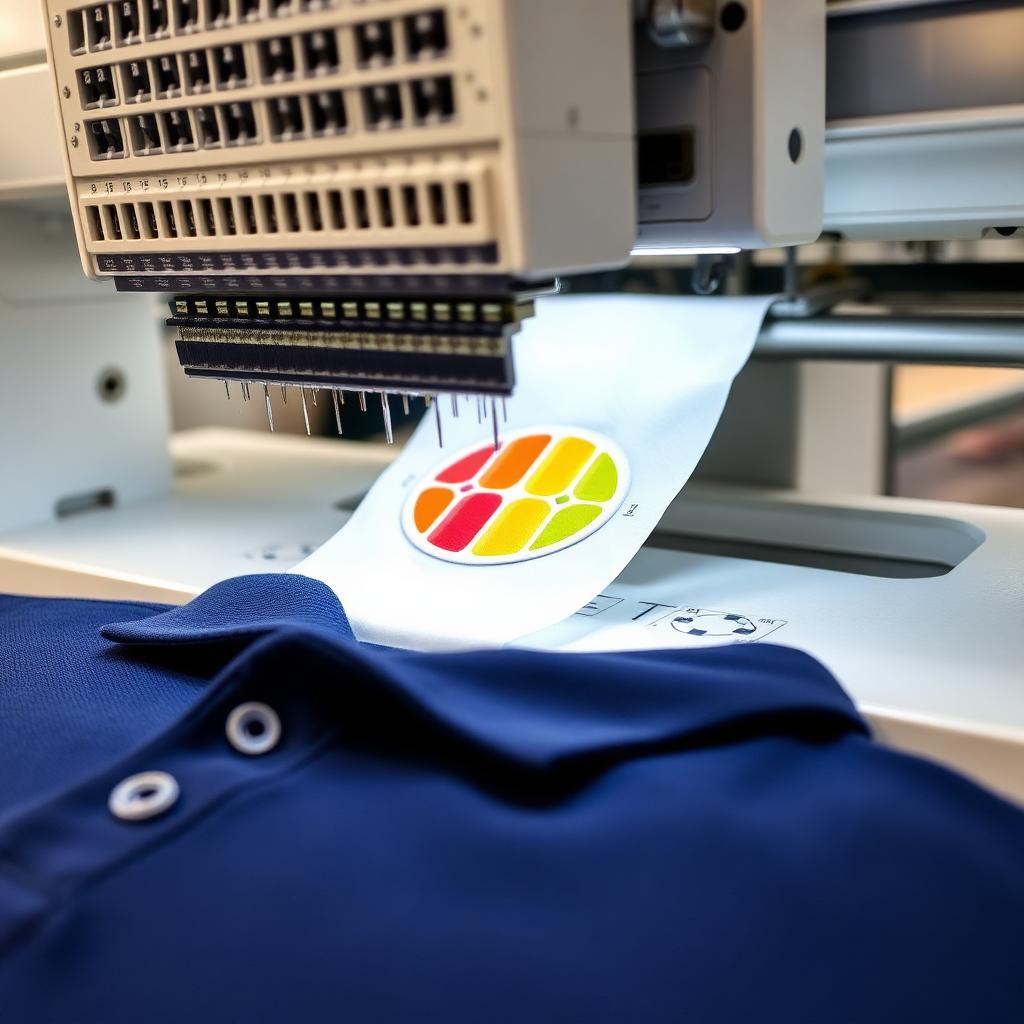
Screen printing has real setup time and cost built into the front end of a job: making films, burning screens, and dialing in registration all take labor before a single shirt gets printed. That means the cost per shirt drops significantly as the quantity goes up, since that setup cost gets spread across more pieces. This is why screen printing is the go-to method for larger orders, like a team's set of 50 jerseys, a company's annual event shirts, or a school's spirit wear order, while smaller specialty methods like embroidery or DTG can make more sense for very small runs or highly detailed full-color designs. If you're trying to decide between decoration methods for your specific project, our article on Screen Printing vs. Embroidery: Which Should You Choose? walks through that decision in more detail.
Fabric matters more than people realize
The same ink, the same design, and the same press settings can look and perform completely differently depending on what garment you print it on. Ring-spun cotton takes ink more evenly than open-end cotton. Polyester and poly-blend performance shirts require special low-bleed inks to prevent the garment's dye from migrating into the print over time (a problem called dye migration that shows up as pink or orange staining around a print, usually days or weeks after printing). Heavier cotton hoodies and sweatshirts print differently than thin, fitted tees because of how the fabric stretches on the platen.
Part of what we do for every order, whether it's a Hartford SD business ordering uniforms or a Sioux Falls nonprofit doing a fundraiser run, is match the ink system and print method to the actual fabric being printed, not just the design.
Quality control and finishing
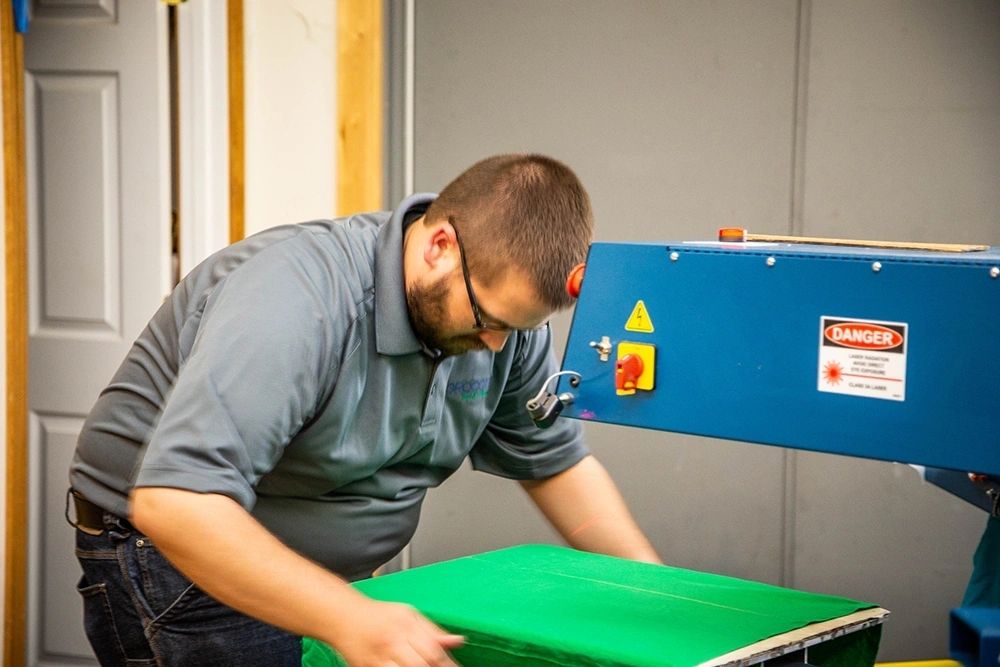
After curing, every shirt gets inspected. We're looking for registration issues, ink coverage problems, dye migration, or anything that doesn't meet the standard we've held for the past three decades. Shirts get folded, bagged individually or in bulk depending on the order, and boxed for pickup or delivery. For team orders and company uniform programs, we can also individually bag and label shirts by size or by name, which saves a lot of headache on distribution day.
Common screen printing terms explained
What is a print location?
A print location refers to where on the garment the design is printed, like full front, left chest, full back, or sleeve. Each additional print location on the same garment is generally quoted and set up separately, since it requires its own screen setup and press pass.
What is an underbase?
When you're printing colored ink on a dark garment, you typically need to print an underbase, usually white ink, first, then print the actual design colors on top of that white base. Without an underbase, colors printed directly onto a dark shirt would look dull and muddy since the dark fabric shows through the ink. This is also why printing on dark shirts generally costs a bit more than printing the same design on a white shirt.
What is a halftone?
A halftone is a pattern of tiny dots used to simulate shading, gradients, or photographic detail in a design that's fundamentally limited to solid colors. Fine halftones require higher mesh screens and more careful press control to print cleanly.
Frequently asked questions
How many shirts do I need to order for screen printing to make sense?
There's no universal rule, but screen printing generally becomes cost-effective starting around a dozen or more pieces of the same design, since that's where the setup cost per shirt starts to pay off. For smaller orders, ask us about the options for smaller quantities, we're happy to talk through what makes sense for your specific project.
Can screen printing be used on hoodies, hats, and bags, not just t-shirts?
Yes. Screen printing works on most flat or nearly flat fabric surfaces, including hoodies, sweatshirts, tote bags, and some hat styles. Curved surfaces like the front panel of a structured cap are more limited in print size and are sometimes better suited to embroidery.
How long does a screen printing order take?
Turnaround depends on order size, number of colors, and how busy our production schedule is at the time, but we'll always give you a realistic timeline when you place your order so you can plan around events, deadlines, or delivery dates.
Will the print crack or fade after washing?
A properly cured screen print, using the right ink for the fabric, should hold up through normal washing and drying for years. Turning shirts inside out before washing and avoiding high heat drying will extend the life of any printed design even further.
Ready to start your screen printing project?
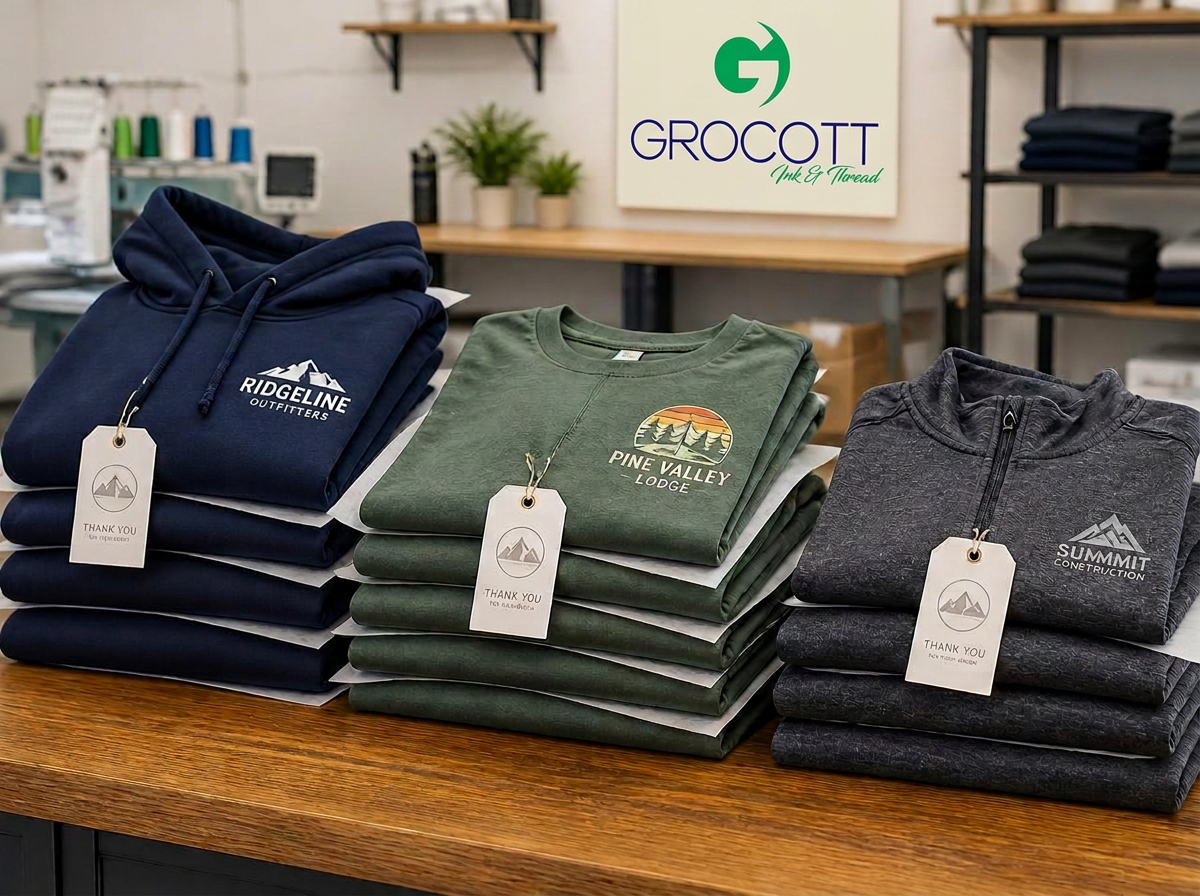
Whether you're outfitting a business, printing spirit wear for a South Dakota school, or running a one-time event shirt order, our team in Hartford handles the entire process in-house, from artwork to press to packaging. Give us a call at 605.528.7364, email info@grocottinkandthread.com, or stop by our shop at 800 S Western Ave, Ste D, Hartford, SD 57033, and we'll help you figure out the right approach for your project.
Written by
Lori Grocott · Owner & Production Lead
Three decades on the press floor in Hartford. Lori oversees production and makes sure every order ships on time and looking sharp.