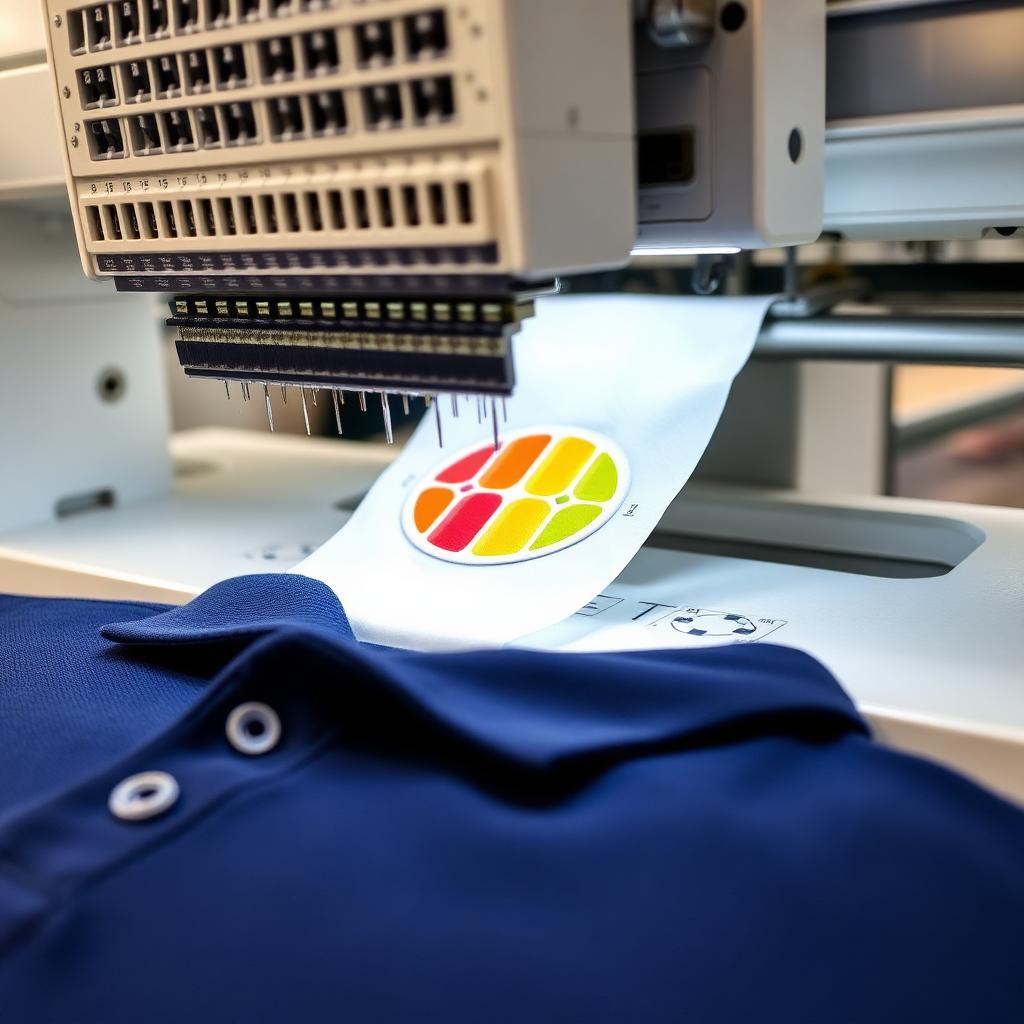
A well-embroidered logo on a polo, a hat, or a jacket has a way of looking instantly more professional than the exact same logo printed flat on the fabric. There's a reason embroidered polos are the default uniform for so many businesses around Sioux Falls and Hartford, and it isn't just tradition. Embroidery is genuinely one of the most durable ways to put a logo on a garment, and when it's done right, it can outlast the shirt or jacket it's stitched onto.
But not all embroidery is created equal. The quality of a stitched logo comes down to a handful of technical decisions that most customers never think about, but that we think about on every single order. This guide walks through what actually goes into a quality embroidered logo, so you know what to look for and what to ask about the next time you're ordering decorated apparel.
What embroidery actually is
Embroidery is the process of stitching a design directly into fabric using colored thread, guided by a computerized embroidery machine that follows a digital stitch file. Unlike screen printing, which lays ink on top of the fabric, embroidery becomes part of the garment's structure. That's part of why it's so durable, and also why it behaves differently than printing when it comes to fine detail, small text, and color blending.
Step 1: Digitizing the logo
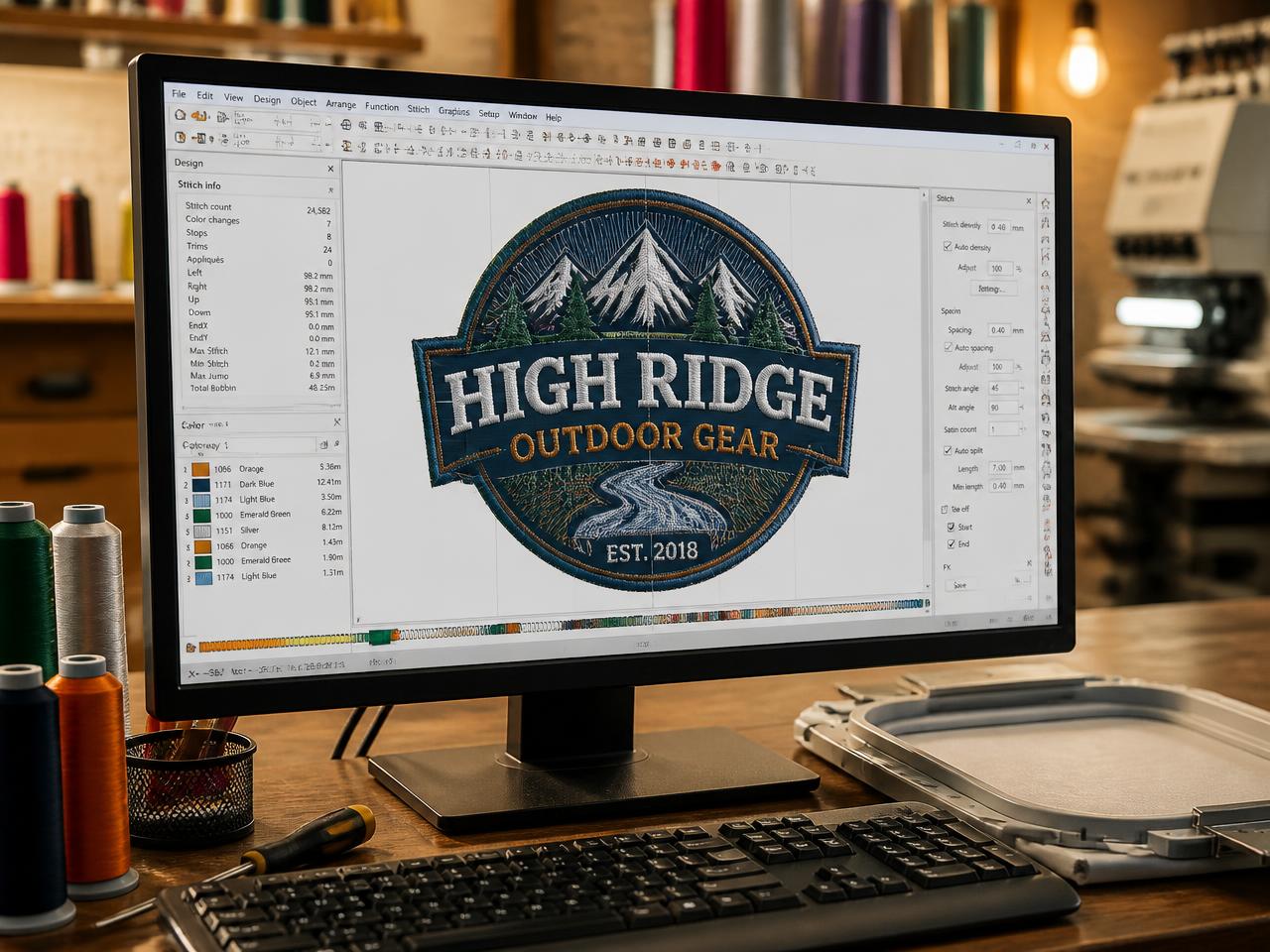
Before a single stitch gets sewn, your logo has to be digitized. Digitizing is the process of converting artwork into a stitch file that tells the embroidery machine exactly where to place every stitch, what direction to sew it, what type of stitch to use, and when to change thread colors. This is a specialized skill, closer to technical drafting than graphic design, and it's the single biggest factor in whether an embroidered logo ends up looking crisp or looking like a blob.
A skilled digitizer makes decisions a computer can't make on its own: where to add underlay stitching for stability, how to handle small text so the letters stay legible instead of filling in, which direction stitches should run so they catch the light correctly, and how to simplify a design with too much fine detail to actually work in thread. We digitize logos in-house, which means we can make judgment calls specific to your logo rather than running it through automated software and hoping for the best.
What is stitch count, and why does it matter?
Stitch count is exactly what it sounds like: the total number of individual stitches in a design. It's a bigger deal than most customers realize for two practical reasons. First, on commercial embroidery machines, run time is directly tied to stitch count, so a denser, more detailed design with a high stitch count takes longer to sew, which affects pricing on larger designs. Second, stitch count relates directly to how solid and rich the coverage looks. A design with too few stitches for its size can look thin or let the garment fabric show through underneath the thread.
There's a balance here. Piling on unnecessary stitches doesn't automatically make a logo look better, and it can actually cause problems like fabric puckering, especially on lighter-weight garments. Part of good digitizing is finding the right stitch density for the specific design and the specific fabric it's going on, not just maximizing stitch count for its own sake.
Thread type: polyester vs. rayon
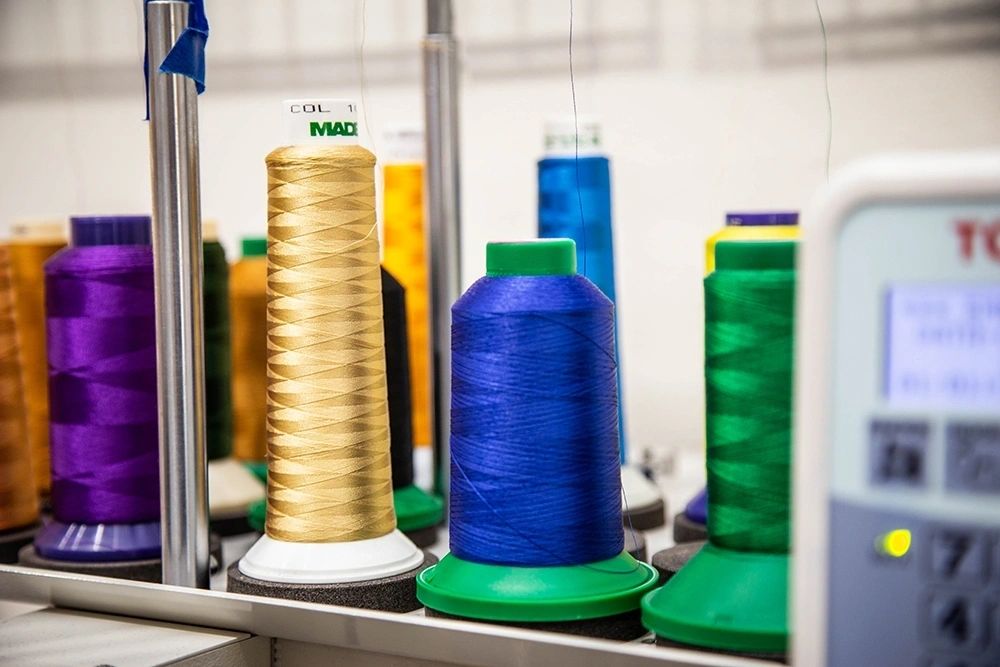
The two most common embroidery thread types are polyester and rayon, and the difference matters more than most people expect.
- Polyester thread is the industry standard for a reason. It's strong, colorfast, resistant to bleach and chlorine, and holds up extremely well to repeated washing, which makes it the right call for workwear, uniforms, and anything that's going to see regular wear and laundering.
- Rayon thread has a slightly higher sheen and softer hand feel, which some customers prefer for fashion pieces or items that won't be washed as often. It's a bit less durable against harsh detergents and bleach over time compared to polyester.
For most of the uniform work, team spirit wear, and corporate apparel we produce for businesses around South Dakota, we default to polyester thread because it's built to survive years of regular washing without fading or fraying, which matters far more for daily-wear garments than a slightly different sheen.
Backing and stabilizers: the part nobody sees
Every embroidered design needs a stabilizer, a layer of backing material placed behind the fabric before it's stitched, to keep the fabric from puckering, stretching, or distorting under the tension of the needle. Choosing the right stabilizer for the fabric weight is just as important as choosing the right thread. A thin, stretchy performance polo needs a different backing than a heavyweight canvas jacket or a structured cap. Get it wrong and you'll see rippling or puckering around the stitched area, especially after the first wash when the fabric relaxes.
We match backing to fabric on every job, which is part of why a logo we stitch on a lightweight moisture-wicking polo lays as flat and clean as one stitched on a heavy fleece jacket.
Where design complexity runs into embroidery's limits
Embroidery is fantastic for logos, wordmarks, and designs with clean, distinct shapes and a limited color palette. It struggles with the same things photographs struggle with in low resolution: fine gradients, thin overlapping lines, and very small text. Letters below a certain point size start to fill in and become illegible once stitched, no matter how good the digitizing is, simply because thread has physical width that ink doesn't. If your logo has a lot of fine detail or a drop-shadow gradient, we'll often suggest a simplified version specifically for embroidery, sometimes alongside your full-detail version for use on printed materials or screen printed shirts.
This is one of the main reasons some designs are better suited to screen printing than embroidery, and why we walk every customer through both options before they commit. If you're weighing the two decoration methods for a specific project, our guide on Screen Printing vs. Embroidery: Which Should You Choose? goes deeper into that comparison.
Where embroidery shines
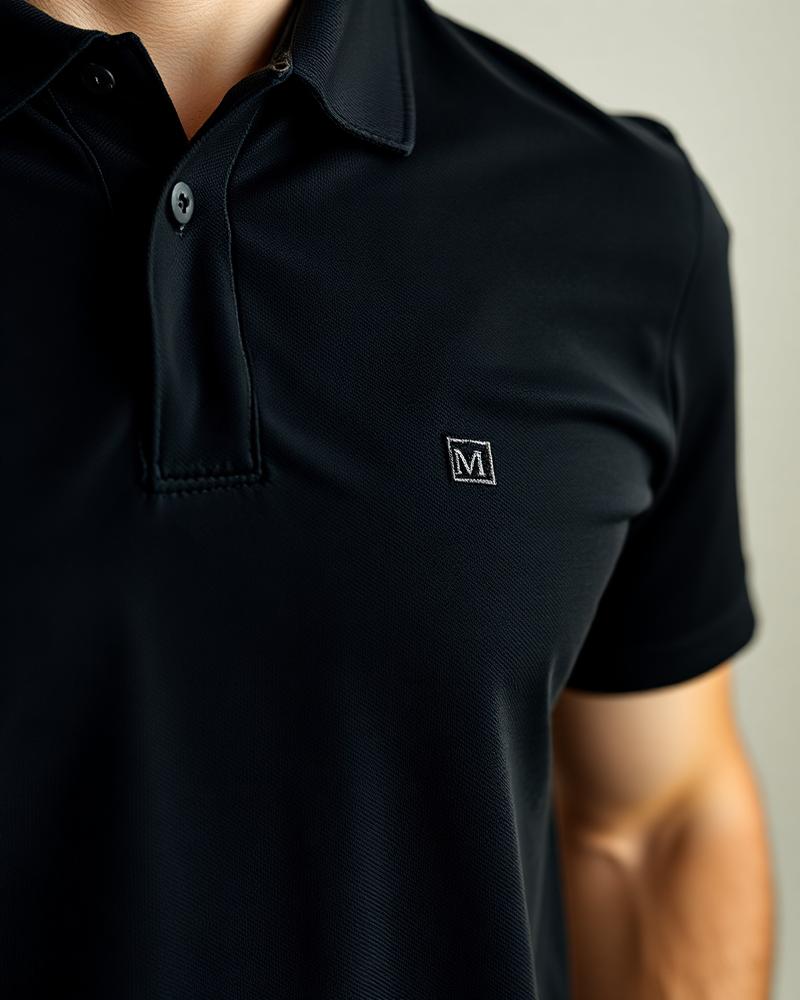
- Polos and button-downs for business uniforms, where a left-chest logo reads as professional and durable wash after wash.
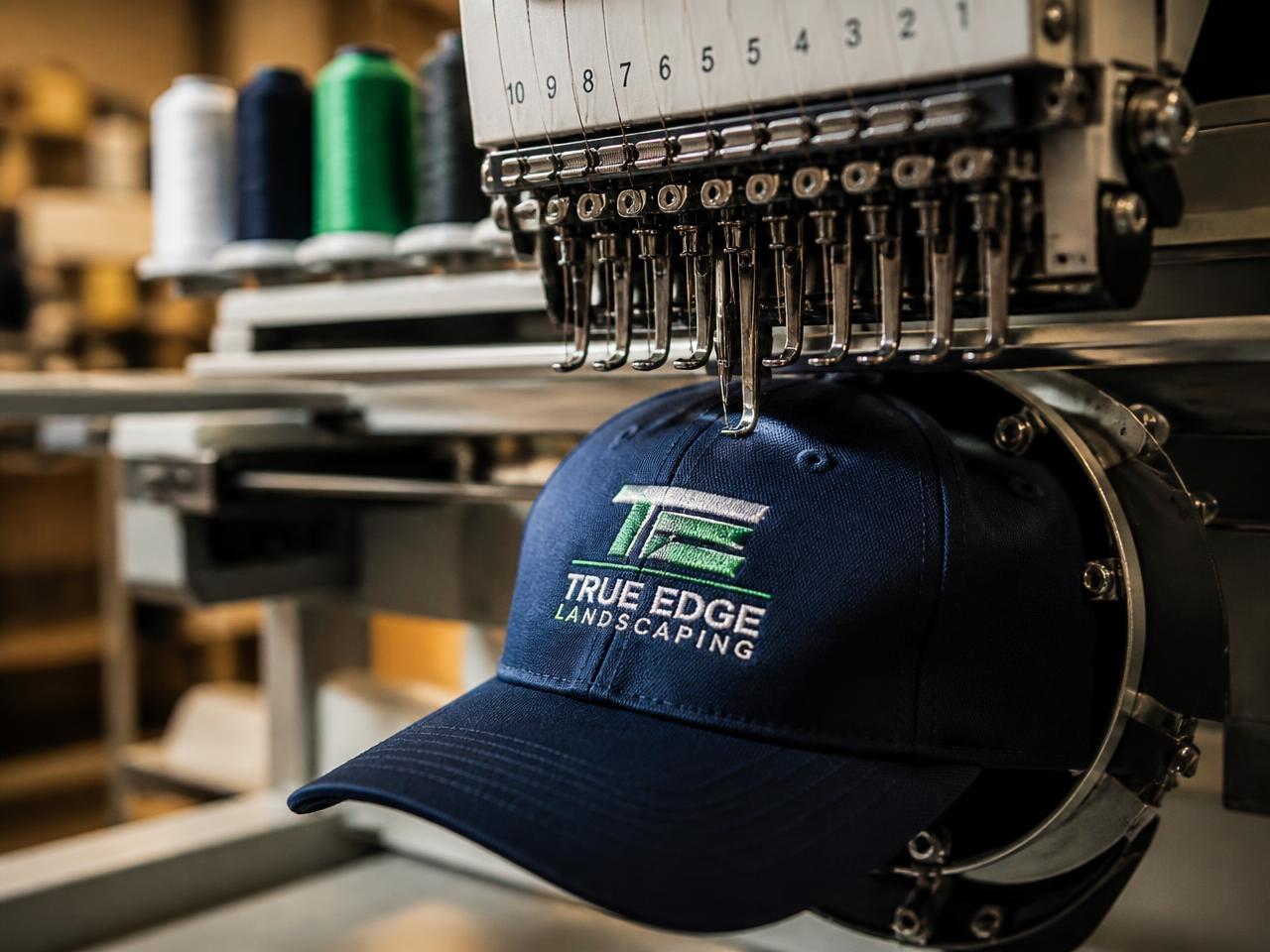
- Hats and caps, where the structured, curved surface is difficult to screen print but works well with embroidery run on a specialized cap-frame machine.
- Jackets, fleece, and outerwear, where a stitched logo holds up to zippers, friction, and years of use far better than a printed one would.
- Bags and heavier canvas goods, where embroidery adds a tactile, higher-end feel appropriate for retail or client-facing branded items.
Multi-needle machines and color changes
Commercial embroidery machines used in production shops like ours are multi-needle machines, meaning each needle is pre-loaded with a different thread color and the machine automatically switches needles as the stitch file calls for a new color. This is what makes it practical to run multi-color logos efficiently at production speed, rather than manually rethreading between colors. The number of colors in your logo affects setup time slightly, but usually not pricing the way additional colors do in screen printing, since embroidery machines handle color changes automatically once a design is digitized and loaded.
How pricing generally works
Embroidery pricing is typically driven by three things: stitch count (which determines machine run time), quantity ordered, and any one-time digitizing fee for a new logo. Once a logo is digitized and saved in our system, reordering the same logo on new garments down the road doesn't require redigitizing, which is one advantage of embroidery for businesses that reorder uniforms or add new team members throughout the year.
Caring for embroidered garments
Embroidered logos are durable, but a little care extends their life even further. Washing garments inside out reduces friction on the stitching, and avoiding high-heat drying helps prevent thread from becoming brittle over time. Avoid ironing directly over an embroidered area; if you need to press a garment, iron around the design or use a pressing cloth over it. For uniform programs, we're happy to pass along simple care guidance that keeps embroidered pieces looking sharp for the long haul, whether that's polos worn daily by staff or jackets that see heavy seasonal use.
Choosing the right placement
Placement affects both how a logo reads and how it holds up over time. A standard left-chest placement is the go-to for polos and button-downs because it's proportional, professional, and easy to hoop consistently on a production run. Larger back placements work well on jackets and heavier outerwear where there's more flat surface area, though they require more stitches and therefore more machine time. Hat placements are typically limited to the front panel or, on some styles, a smaller mark on the side or back. We'll walk through placement options with you based on the garment style and how the finished piece will actually be worn.
Beyond thread and stitch count, one more factor shapes the final look: the machine’s stitching speed and tension settings, which we adjust based on fabric weight so dense areas of a logo lay flat instead of bunching. Getting these settings right is part of the craft that separates a shop that treats embroidery as a specialty from one that just runs default machine settings on every job, and it’s something we dial in on every order that comes through our Hartford shop.
One last practical note: if you’re ordering embroidered apparel for a growing team or business, keep a copy of your logo files and any notes on thread colors used, since matching thread colors exactly on a reorder months or years later is much easier when that information is on file rather than eyeballed from a faded sample shirt.
Frequently asked questions
Do I need a new digitizing file every time I reorder?
No. Once your logo is digitized and saved in our system, we can pull that same file for future orders on the same or similar garments, which keeps reorders faster and often less expensive than the initial order.
How small can a logo be and still look good embroidered?
It depends on the detail level of the design, but as a general rule, very fine text or intricate detail needs to be simplified once it gets much smaller than an inch or so in height, since thread can't hold the same fine resolution as ink or pixels.
Can you embroider on garments I already own or provide?
In many cases, yes, we can run embroidery on customer-provided garments, though we'll want to check the fabric type first to make sure it's suitable and that we can hoop it properly without damaging the item.
What's the difference between flat embroidery and 3D puff embroidery?
Standard flat embroidery lays stitches directly on the fabric surface. 3D puff embroidery adds a foam layer underneath the stitching in certain areas, usually for hats, to create raised, dimensional lettering. It's a popular look for trucker hats and letterman-style caps.
How long does an embroidery order take?
Turnaround depends on stitch count, quantity, whether digitizing is needed, and our current production schedule, but we'll give you a realistic estimate up front when you place your order.
Get your logo stitched right the first time
If you've got a logo that needs to look sharp on polos, hats, jackets, or uniforms, our team in Hartford, South Dakota handles digitizing and embroidery in-house for businesses and organizations throughout the Sioux Falls area. Call us at 605.528.7364, email info@grocottinkandthread.com, or visit us at 800 S Western Ave, Ste D, Hartford, SD 57033 to get started.
Written by
Marcus Daley · Lead Screen Printer
Color matching, halftones, specialty inks — Marcus runs the automatic press and keeps registration tight on every run.